Dietary Guide for Liver Cirrhosis Patients
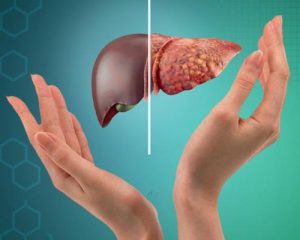 Despite the difficulties posed by liver cirrhosis, proper nutrition contributes significantly to the management of the disease and also to the overall well-being of the patient. This guide aims to provide you with a clear understanding of your nutritional requirements and to suggest meal plans, food choices, and troubleshooting techniques that will help maintain nutrient balance and alleviate complications due to liver cirrhosis; among these, fluid retention and liver function impairment are the most common.
1. Nutrient Overview
The liver is responsible for the bulk of the nutrient metabolism. Thus, in cirrhosis, the liver needs to receive adequate and balanced macronutrients and micronutrients and at the same time, the patient should avoid the foods that might cause further liver damage. Here’s how to do it:
A. Macronutrients
- Proteins: Sufficient protein intake is not only necessary for muscle maintenance but also for the repair of muscles. High-quality proteins such as lean meats, fish, eggs, dairy, legumes, and tofu are the best sources to aim for. Generally, for cirrhosis patients, the recommendation is to get 1.0-1.2 grams of protein for every kilogram of body weight per day, and it should be evenly distributed among meals.
- Carbohydrates: Carbohydrates must be complex (whole grains, vegetables, and fruits) which will give a gradual energy supply and also assist in preventing blood sugar spikes. They are essential to the body’s energy levels and liver function.
- Fats: Prefer healthy fats such as omega-3 fatty acids that come from fish, flaxseeds, walnuts, and olive oil. Cutting down on saturated fats and completely avoiding trans fats can be beneficial in the fight against inflammation and at the same time protecting the heart.
B. Micronutrients
- Sodium: Liver cirrhosis is usually accompanied by fluid retention as one of its complications. Keeping the sodium intake to a maximum of 2000 mg per day will not only help but also be a part of managing swelling and ascites.
- Vitamins: Fat-soluble vitamins A, D, E, and K may not be adequately absorbed in case the liver is not doing a good job in absorbing fats. B-complex vitamins and vitamin C, however, are all there to support health. Your doctor might suggest the use of supplements tailored to your particular needs.
- Minerals: The three minerals—Potassium, magnesium, and zinc are among the vital ones for the body and could be affected by liver disease. Sufficient intake of these minerals not only helps in the balance of electrolytes but also in the metabolic processes.
Monitoring nutrient levels through regular blood work and consulting your doctor regarding supplementation is a wise decision.
2. Everyday Eating Plans
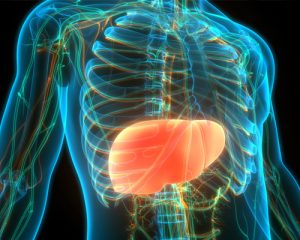 Here are the full daily meal plans that are in accordance with the dietary requirements of an adult patient with either compensated or decompensated liver cirrhosis. The portions are regulated not only for nutrition but also for sodium control and fluid retention management.
A. One Day Sample Meal Plan
Breakfast (7:00 AM – 8:00 AM)
- Meal: Oatmeal prepared with water or a plant-based milk and topped with fresh fruits and a light covering of ground flaxseed.
- Portion: 1 cup of cooked oatmeal, ½ cup of berries, and 1 tablespoon of flaxseed.
- Nutritional Focus: Offers complex sugars, fiber, omega-3 fats, and antioxidants.
Mid-Morning Snack (10:00 AM)
- Meal: One small apple or pear plus a handful (about 1 ounce) of raw almonds without salt.
- Nutritional Focus: Provides minerals, vitamins, and healthy fats along with long-lasting energy but with no added sodium.
Lunch (12:30 PM – 1:30 PM)
- Dish: A grilled chicken salad mixed with different kinds of leafy greens (like spinach and arugula), different kinds of colorful vegetables (like bell peppers and tomatoes), a little bit of quinoa and a lemon-olive oil dressing.
- Amount: Grilled chicken of 3 to 4 ounces, blender of 2 cups owned by mixed greens, ½ cup quinoa, 1-2 tablespoons of dressing.
- Nutritional Emphasis: Providing high-quality protein, fiber, essential vitamins, and healthy fats while still keeping sodium at a low level.
Afternoon Snack (3:30 PM)
- Dish: A small bowl of low-fat and unsweetened yogurt with one tablespoon of chopped walnuts and if need be, a little bit of honey for sweetness.
- Amount: One small cup of yogurt, about 6 ounces in weight, and 1 tablespoon of walnuts.
- Nutritional Emphasis: The mix gives a source of protein, calcium, and omega-3 fats and also getting a probiotic boost to support gut health.
Dinner (6:30 PM – 7:30 PM)
- Dish: Fish (like salmon or cod) baked with herbs, served in combination with steamed broccoli, and carrots, and a little sweet potato.
- Portion: fish – 3-4 ounces, mixed vegetables – 1 cup, sweet potato – 1 medium.
- Nutritional Focus: Lean protein, omega-3 fatty acids, fiber, and vitamins – nutrients that are liver-supportive and all their blessings to the liver.
Evening Snack (Optional, 9:00 PM)
- Meal: A small bowl of mixed fruits or a piece of whole-grain bread with a very thin layer of avocado.
- Portion: Roughly ½ cup of mixed fruits or 1 slice of toast with 1-2 tablespoons of mashed avocado.
- Nutritional Focus: A light, easily digestible before bed source of essential vitamins, fiber, and healthy fats.
The better way is to eat smaller, more frequent meals during the day instead of a few big ones. It will help with fluid retention and also will not cause too much of stress to the liver.
3. Foods to Avoid
There are specific foods and drinks that can either worsen the condition of liver cirrhosis or make its symptoms more severe. Following these restrictions will minimize the risk of further liver impairment.
- Alcohol: Alcohol is the worst enemy of the liver since it hastens the process of liver necrosis. Giving up on alcohol is mandatory.
- High-Sodium Foods: In order to control fluid retention and prevent the development of ascites, stay away from processed foods (such as canned soups, packaged snacks, and processed meats) as well as salty condiments.
- Fried and Greasy Foods: Such foods can worsen the condition of the liver through inflammation and lead to more fat being stored in the liver.
- Sugary Foods and Beverages: Make sure to restrict consumption of sugar-rich foods (pastries, sweets, drinks) so that the sugar levels in blood do not rise quickly and thus, liver fat is not formed.
- Highly Processed Foods: The use of such foods with additives, preservatives, and artificial ingredients can be very taxing on the functioning of the liver.
- Excessive Salt Substitute: One must be careful as some salt substitutes contain very high potassium levels and if you are on a potassium-restricted diet, this may pose a problem. Always consult your doctor regarding the usage of salt and its substitutes.
4. Troubleshooting Tips
Dietary measures for liver cirrhosis management require changes and patient’s careful observation of his/her own body. In case of stumbling blocks here are some troubleshooting tips to think of:
A. Monitoring Fluid Retention
Where there is a rapid increase in swelling (in legs, abdomen or ankles), it would be prudent to cut down on sodium even more and check with your doctor about a possible change in diuretic dosage. Maintaining a food diary can be of great assistance in monitoring sodium intake.
B. Adjusting Protein Intake
In some cases, the consumption of a large amount of protein might cause the patient to present with symptoms of encephalopathy (confusion or drowsiness). If such symptoms occur, you should consult your physician. He or she might advocate a slight decrease in the protein intake or suggest splitting the protein consumption into even smaller and more frequent doses throughout the day.
C. Managing Digestive Discomfort
In case you experience bloating or indigestion, you should consider changing the amount or type of fiber in your food. Start with a small quantity of fibrous vegetables in your diet and drink a lot of water (unless fluid intake is limited) as it is very important for the digestive system.
D. Adjusting for Personal Preferences
The foods you prefer and can tolerate might differ from those of the other patients. Do not hesitate to interchange similar foods that comply with the nutritional requirements of this plan. For example, if turkey is your favorite over chicken, then it can be a proper substitute. Talk to your dietitian about such changes so that you still receive a balanced supply of nutrients.
E. Regular Monitoring and Consultation
Given that liver function may fluctuate, it is crucial to have frequent consultations and follow-ups with your healthcare provider or nutritionist. They will be able to offer personalized adjustments to your diet based on laboratory tests conducted at intervals, as well as taking into account your overall health condition.
5. Additional Recommendations and Lifestyle Tips
Lifestyle changes in conjunction with a well-balanced diet can help liver cirrhosis get although not completely cured:
- Stay Hydrated: It is very important to drink water consistently throughout the day. If due to decompensated cirrhosis, you are on fluid restrictions, then follow your doctor’s guidelines strictly.
- Engage in Regular Physical Activity: Light exercises like walking or gentle stretching can strengthen muscles and improve one’s general health. However, it is necessary to get the advice of your doctor before commencing any exercise regimen.
- Avoid Overeating: The digestive system can be overwhelmed by large meals. On the other hand, using small and frequent meals will not only help in digestion but also keep blood sugar levels constant.
- Manage Stress: Liver health can be adversely affected by chronic stress. Deep breathing, meditation, or counseling are some of the techniques that can be applied as stress-reduction measures.
- Regular Check-ups: Always make it a point to see your doctor for liver function tests and dietary advice accordingly.
Every patient is different, so this guide should only be used as a basis for your individualized treatment plan which is built by your collaboration with the healthcare team. Above all, remember to give your body the nourishment it needs, to lessen the load on your liver, and to avoid complications.
Conclusion
Diet plays a significant role in the management of liver cirrhosis and it must be considered as part of the overall treatment plan. Following this guide means you are taking an active role in supporting liver function and balancing your nutritional status. Diet changes can be minute, but they will significantly affect your health.
This guide is a very good starting point for the Dietary Management of Liver Cirrhosis. It helps you understand what to eat, what to stay away from, and how to adapt your diet in accordance with the symptoms or complications you are having. With constant monitoring, consultation, and a commitment to a healthy lifestyle, you can cope with your condition and enjoy life to the fullest.
